Small Kitchen, Big Decisions: Layout Options for Widnes Homes
A lot of the terraced and semi-detached homes around Widnes have kitchens that were never designed with much room to spare, often a galley shape squeezed between the back door and the dining area. The good news is that a small kitchen isn't really a problem to be solved so much as a set of trade-offs to get right, and the layout you choose makes a bigger difference to how the space feels day to day than almost anything else in the fit.
Starting With How the Space Is Actually Used
Before settling on a layout, it's worth having Kitchen Fitters Liverpool come and look at the room in person, because a layout that works brilliantly on paper can fall apart once you account for where the boiler, the meter cupboard, or an awkward window actually sit.
Galley Layouts
The galley, units along two opposite walls with a walkway down the middle, is the classic small-kitchen layout for good reason. It makes use of every bit of wall space and keeps the "working triangle" (sink, hob, fridge) tight, so you're not walking miles between them. The main downside is that two people can't really work in the kitchen at the same time without getting in each other's way, and the walkway needs to stay clear, which rules out anything bulky like an island.
L-Shaped Layouts
If the room has a corner to work with, an L-shape often opens things up more than people expect. It frees up one wall entirely, which can be enough space for a small table, extra storage, or just somewhere for the room to breathe. The corner unit itself can be a bit of a dead zone for storage unless it's fitted with a proper carousel or pull-out system, so it's worth specifying that at the planning stage rather than as an afterthought.
Single-Wall Kitchens
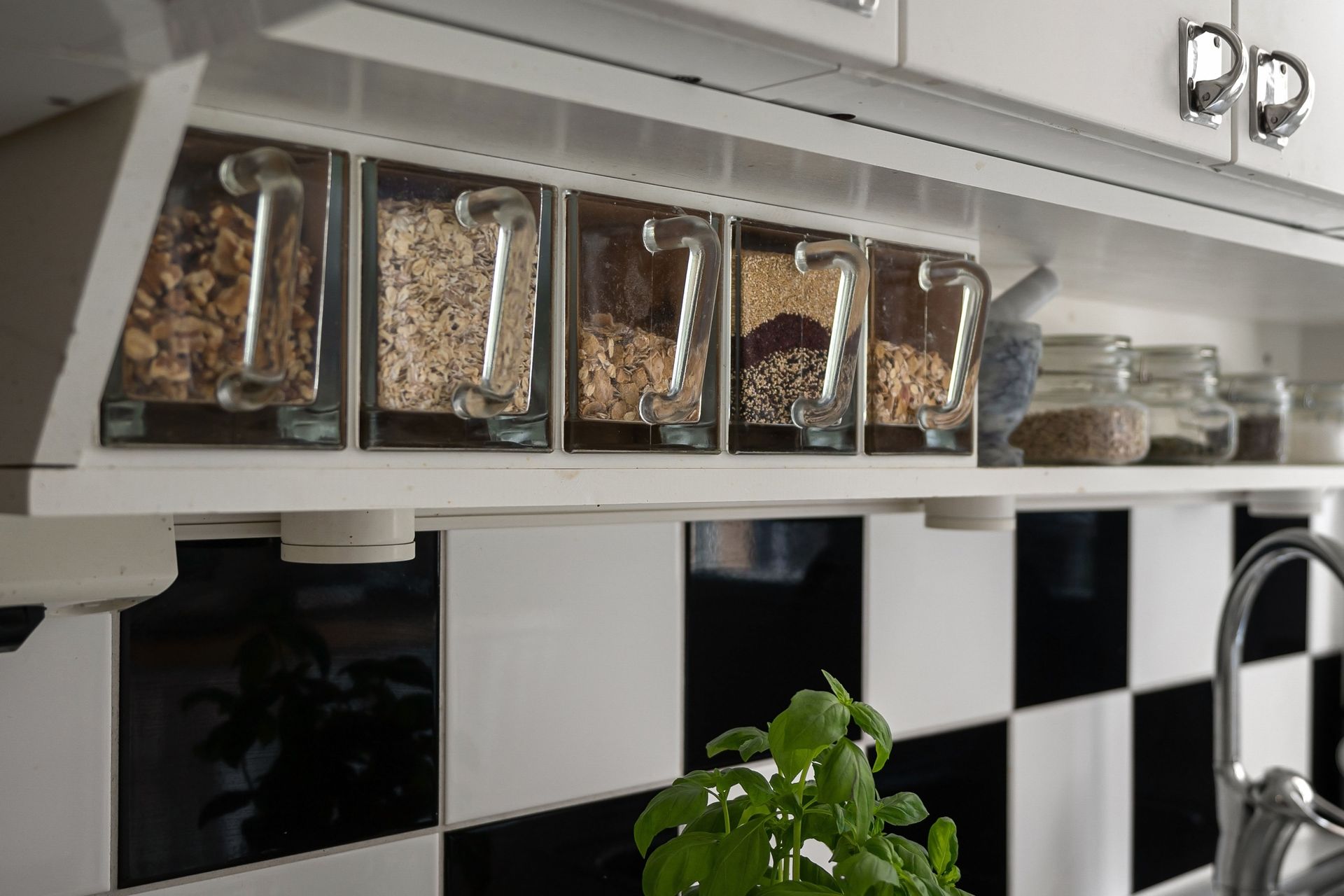
For genuinely tight spaces, putting everything along one wall is sometimes the only realistic option, and it's not necessarily a compromise if it's done well. The trick is usually going taller rather than wider: full-height cabinets either side of the cooker, wall units that go right up to the ceiling, and using the extra storage to free up worktop space that would otherwise get cluttered. A single-wall kitchen with good storage often ends up feeling more spacious than a galley kitchen crammed with units on both sides.
Where the Money Goes in a Small Kitchen
We've covered what realistic kitchen renovation budgets look like, and one thing worth flagging for smaller spaces specifically: it's often worth spending more on a handful of well-chosen elements (good storage solutions, a decent worktop, lighting) than spreading the budget evenly across everything. In a small room, those few things do a lot of the visual and practical work, and cheaper units elsewhere are less noticeable than they would be in a larger space.
Lighting and Colour
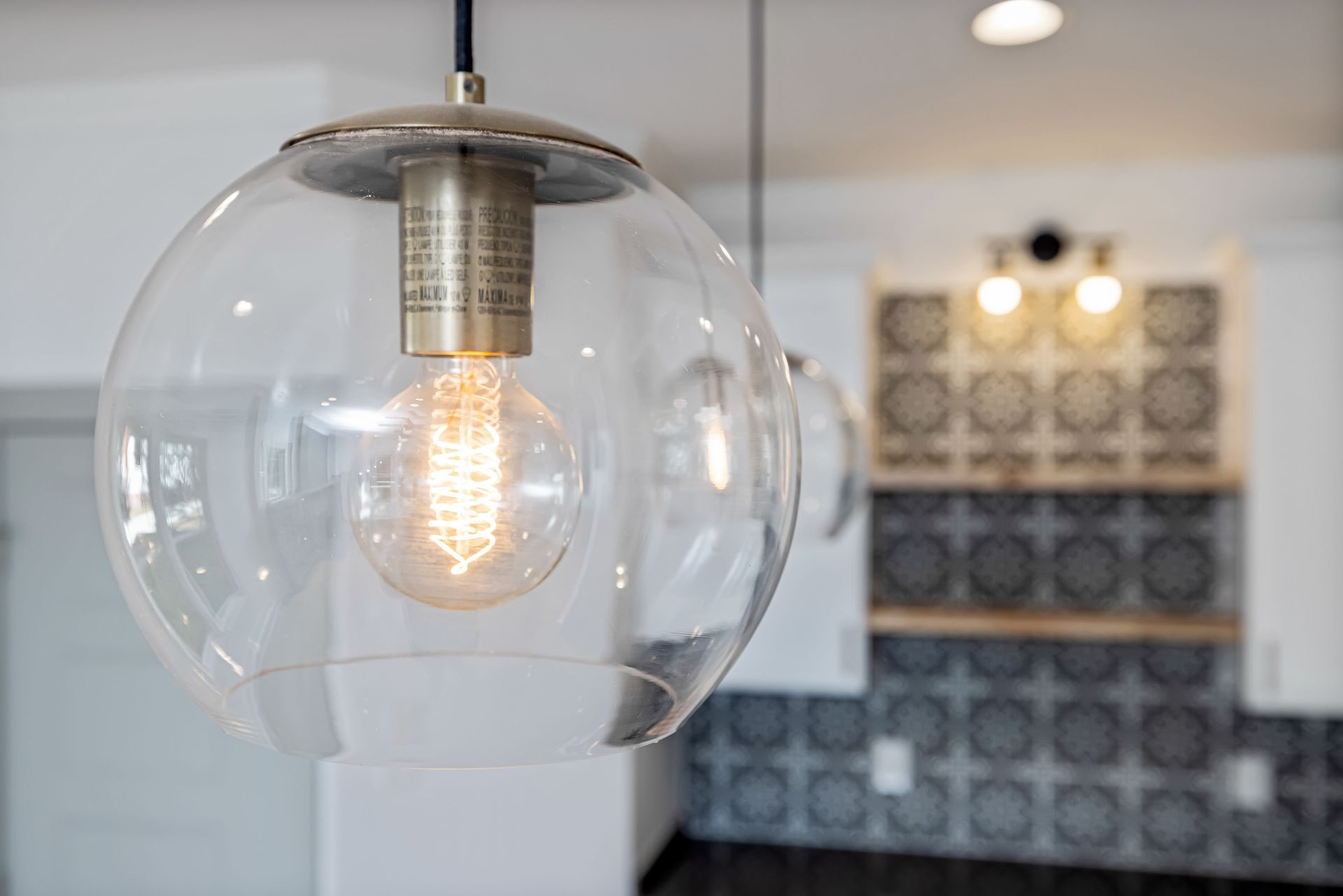
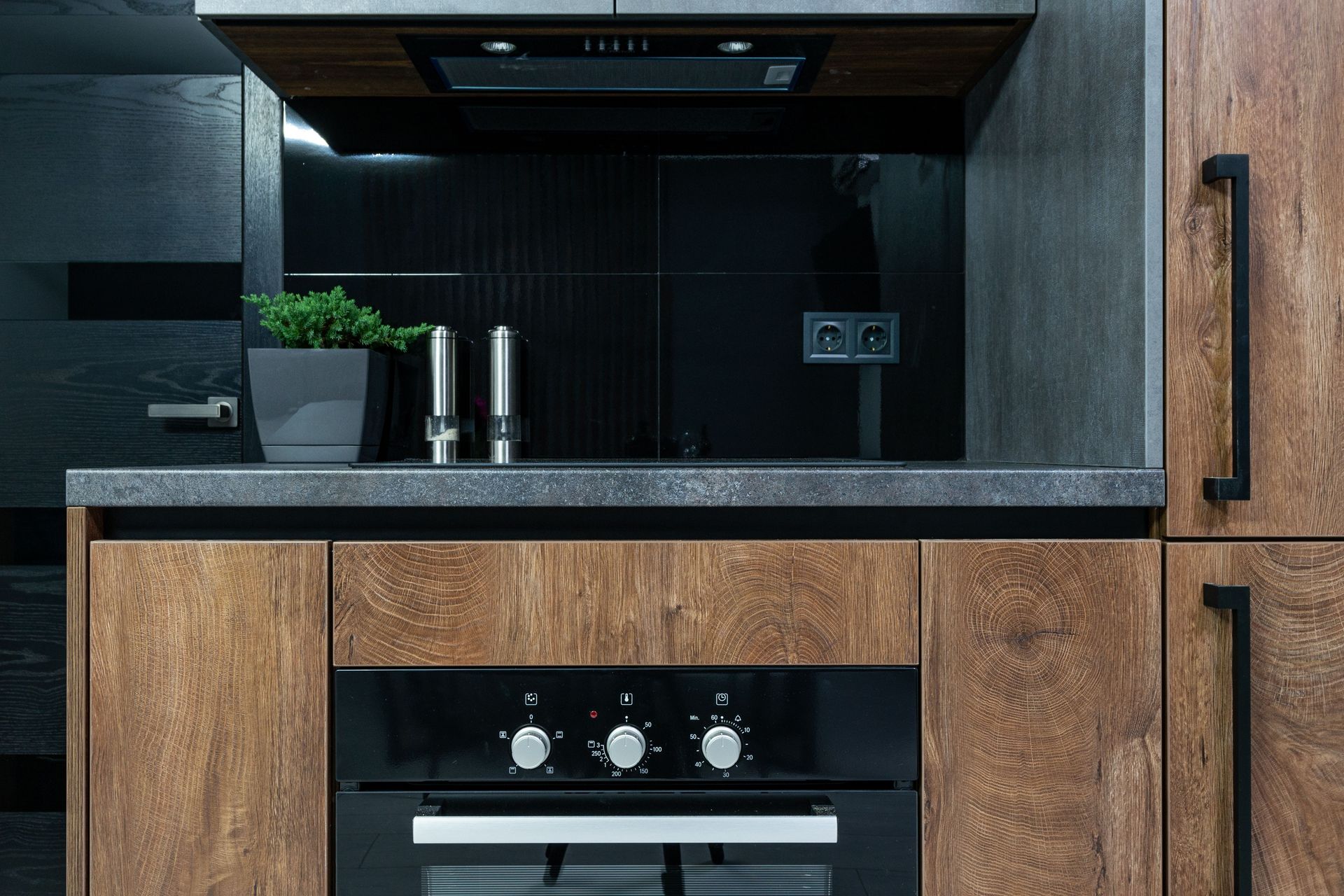
Small kitchens lean on lighting more than larger ones. Under-cabinet lighting over the worktop makes a real difference to how usable the space feels, not just how it looks, since overhead lighting alone tends to leave the work surfaces in shadow from the person standing at them. On colour, lighter cabinets and worktops do help a small room feel bigger, but it's not the deciding factor people sometimes think it is. A darker kitchen with good lighting and a sensible layout will usually feel better to cook in than a pale one that's cramped and poorly lit.
Getting the Layout Right Before Anything Else
Worktops, handles, and colours are all changeable later if you decide you don't love them. The layout isn't, not without ripping everything out again, so it's the one decision worth spending the most time on before any units go in.
FAQ
Q: What's the best layout for a small kitchen? A: It depends on the room's shape. Galley layouts work well for narrow rooms, L-shapes free up a wall if there's a corner to use, and single-wall layouts with full-height storage can suit very tight spaces.
Q: Does a small kitchen need an island? A: Usually not. Islands need clearance space on all sides to be useable, and in a small kitchen this clearance often takes up more room than the island gives back in storage or worktop space.
Q: Do light-coloured units always make a small kitchen feel bigger? A: They help, but lighting and layout generally have a bigger impact. A well-lit, sensibly laid out kitchen in a darker colour will usually feel more workable than a pale kitchen that's cramped or poorly lit.
Q: How much of the budget should go on storage in a small kitchen? A: More than in a larger kitchen, generally. Good storage solutions (corner carousels, full-height cabinets, pull-outs) do more to make a small space feel workable than spreading the budget evenly across all units.
You might also like
Kitchen Fitters Liverpool