Kitchen Lighting Design in St Helens Homes: Getting Layers Right
Lighting is one of the last things most people think about when planning a kitchen, and one of the first things they notice is wrong once the units are in and the room's being used. A single central ceiling light, the default in a lot of older St Helens properties, leaves work surfaces in shadow, makes the room feel flat in the evening, and means there's no way to dim things down for anything other than full-on task lighting. Getting lighting right means thinking in layers, not just picking a fitting.
The Three Layers: Ambient, Task, and Accent
Before finalising a kitchen layout, Kitchen Fitters Liverpool plans the lighting alongside the cabinet design, since where sockets and switches go often depends on what lighting's planned, and retrofitting extra circuits after the units are in is far more disruptive than wiring them in from the start.
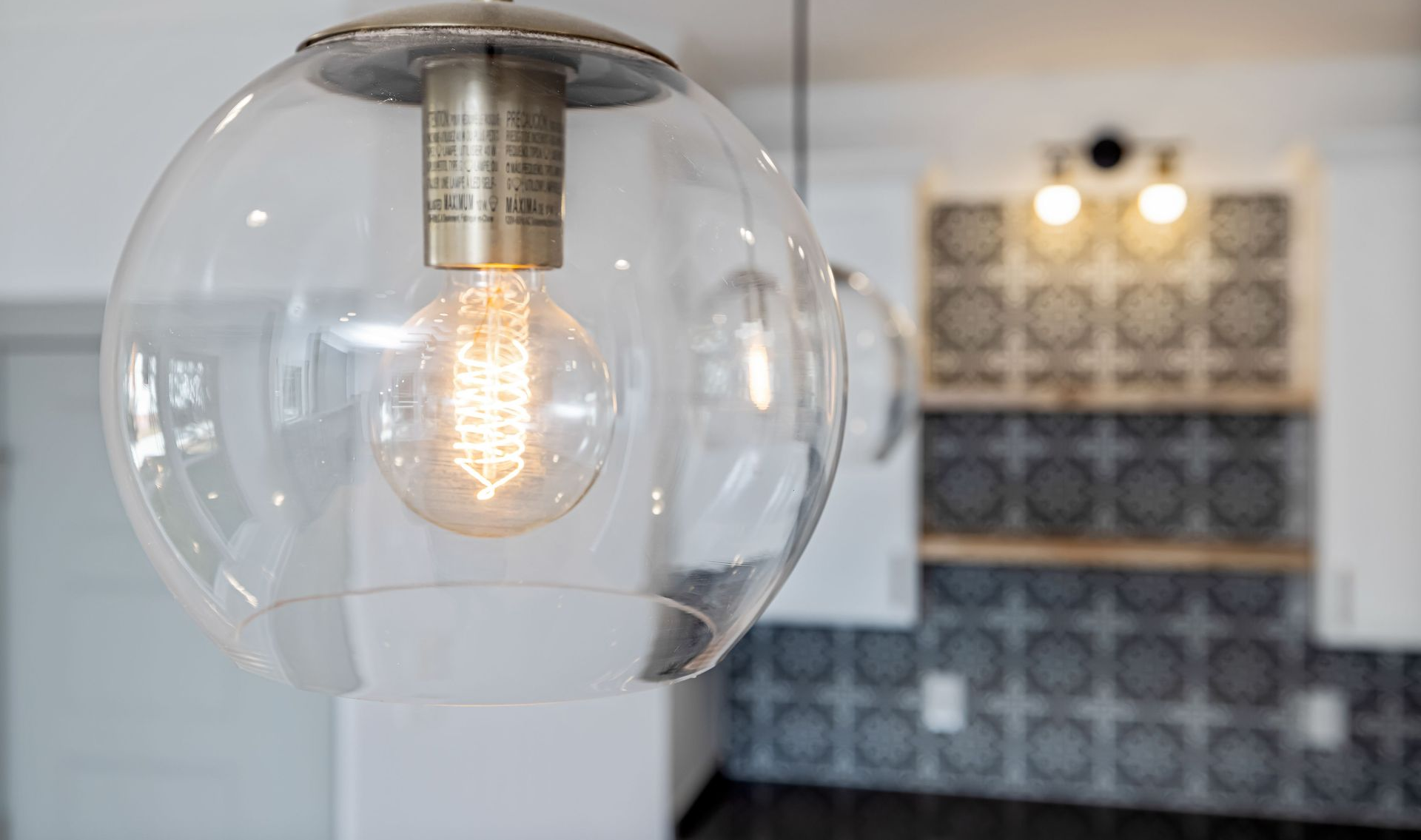
Ambient lighting is the general light that fills the room, usually from ceiling fittings, whether that's a central pendant, a run of spotlights, or a combination. This sets the overall brightness and mood, and on its own is what most kitchens have relied on for decades. Task lighting is targeted at specific work areas, most commonly under-cabinet LED strips that light up the worktop directly below wall units, removing the shadow that a person standing at the counter casts over their own work when the only light source is from above and behind them. Accent lighting is more about atmosphere than function: lighting inside glass-fronted cabinets, under a kickboard, or above a feature wall, and is often the layer that gets skipped on a budget but makes the biggest difference to how a kitchen feels in the evening.
Under-Cabinet Lighting Is the Single Biggest Upgrade for Most Kitchens
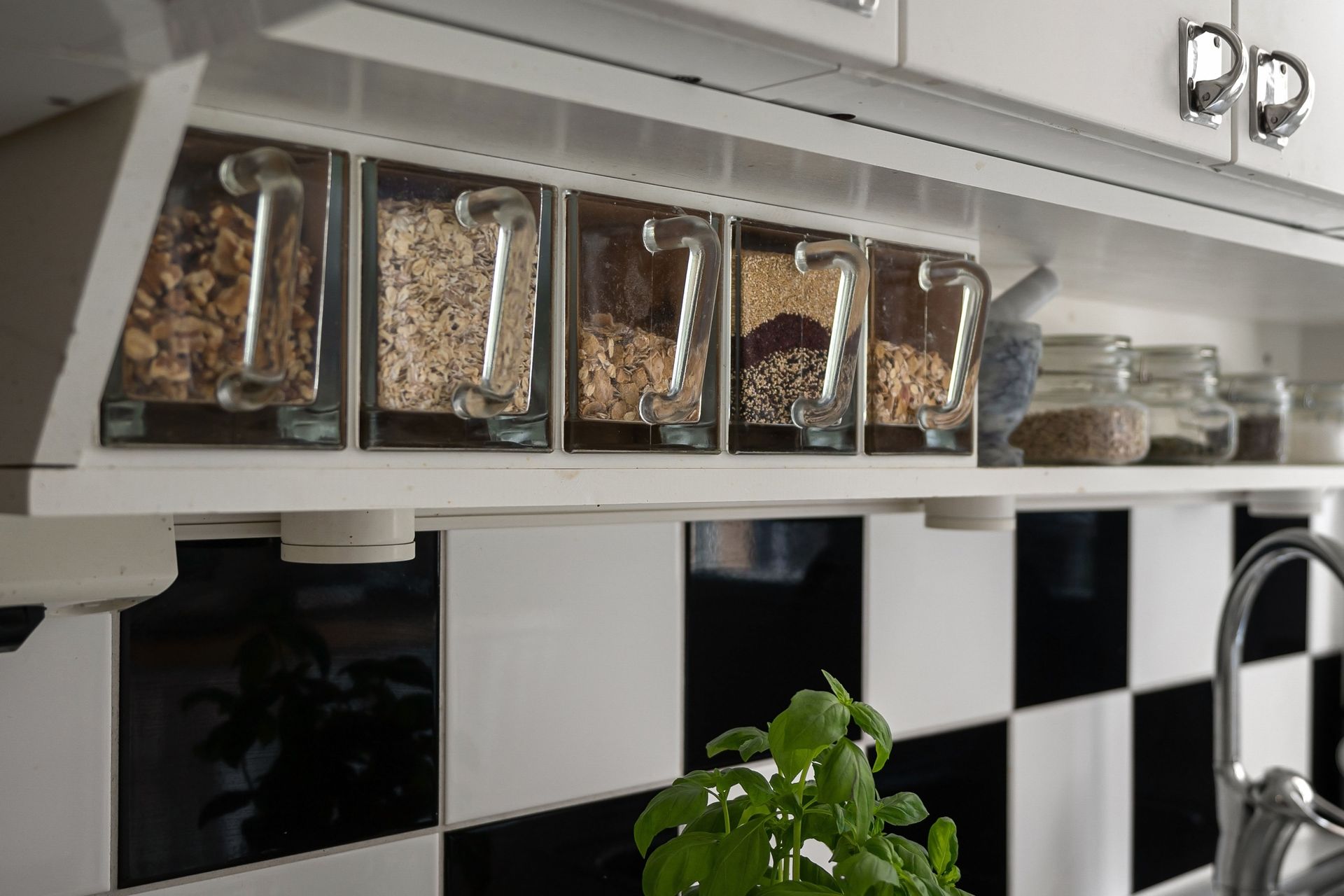
If there's one piece of lighting that gets requested after the fact more than any other, it's under-cabinet LED strips. Without them, worktops directly under wall cabinets are often the darkest part of the kitchen, exactly where chopping, prepping, and reading recipes happens. Retrofitting strip lighting after a kitchen's fitted is possible but means running cable along the underside of cabinets and back to a power source, which is considerably easier to do neatly during the initial fit, when cabinets aren't yet fixed to the wall and cable runs can be hidden before everything's sealed up.
Dimmer Switches and Zoning
A kitchen does several different jobs throughout the day: bright, even light for cooking and cleaning, softer light for eating, and sometimes very low light if it's also a space people pass through at night for a glass of water. Splitting the lighting into separate switched (and ideally dimmable) circuits, ambient ceiling lighting on one switch, under-cabinet task lighting on another, and any accent lighting on a third, means each of these moods can be set independently, rather than the room being either fully on or fully off.
We've covered layout options for smaller kitchens in Widnes, and lighting zoning matters even more in a compact kitchen, where a single bright ceiling light can feel harsh in a small space, but a combination of softer ambient light plus focused task lighting over the worktop makes the same room feel both more functional and more comfortable.
Colour Temperature
Not all "white" light is the same, and colour temperature, measured in Kelvin, makes a noticeable difference to how a kitchen feels. Warmer light (around 2700-3000K) gives a cosier feel similar to traditional bulbs, while cooler light (4000K and above) feels brighter and more clinical, often preferred for task areas where colour accuracy matters, like checking whether food's cooked properly. Mixing warm ambient lighting with cooler task lighting over the worktop is common, though using the same colour temperature throughout avoids a slightly mismatched look where different areas of the kitchen feel like they belong to different rooms.
What It Costs
Under-cabinet LED strip lighting typically adds £150-£400 to a kitchen renovation depending on the length of run and whether a dimmer driver is included. Additional ceiling spotlights, beyond what might already be planned, run roughly £40-£80 per fitting including installation, though this varies depending on whether new circuits need running or existing ones can be extended. Accent lighting inside cabinets or under a kickboard adds a smaller amount again, often £50-£150 depending on the extent.
Planning It Early Pays Off
The recurring theme with kitchen lighting is that almost everything is cheaper and easier to do before the units go in, while walls are still open and cable runs can be planned around the final layout. A lighting plan that's an afterthought tends to mean compromises: a socket in the wrong place, an under-cabinet light run via a visible cable because there wasn't a chase cut for it, or a single switch controlling everything because separate circuits weren't planned for.
FAQ
Q: What are the three layers of kitchen lighting? A: Ambient (general ceiling lighting), task (targeted lighting for work areas like under-cabinet strips), and accent (atmospheric lighting such as inside cabinets or under a kickboard).
Q: Why is under-cabinet lighting so commonly requested after a kitchen's been fitted? A: Worktops under wall cabinets are often the darkest part of a kitchen, exactly where most prep work happens. It's far easier to wire in during the initial fit than to retrofit afterwards.
Q: Should kitchen lighting be on separate switches? A: Yes, ideally. Splitting ambient, task, and accent lighting onto separate (and dimmable) circuits lets the room suit different activities, from bright task lighting for cooking to softer light for eating.
Q: How much does under-cabinet lighting cost to add to a kitchen renovation? A: Typically £150-£400 depending on the length of run and whether a dimmer driver is included.
You might also like
Kitchen Fitters Liverpool