Shaker Kitchens in Liverpool: Costs, Styles, and Why They're Everywhere
Walk into ten recently fitted kitchens in Liverpool and you'll find shaker doors in six or seven of them. That's not an exaggeration - shaker consistently tops UK kitchen style surveys, with retailers reporting that around 50 - 60% of new kitchen orders are shaker or shaker-derived designs, and the Liverpool market follows the national pattern closely. The style is over 200 years old, built on a simple five-piece door with a flat centre panel and a plain frame, and it has outlasted every gloss, handleless, and high-shine trend that was supposed to replace it. There's a practical reason it works so well here: Liverpool's housing stock is dominated by Victorian terraces and 1930s semis - roughly 60% of the city's homes were built before 1945 - and shaker is one of the few styles that looks right in a period room without turning it into a museum. Here's what shaker actually costs, the choices within the style, and where it doesn't make sense.
Why Shaker Suits Liverpool's Housing Stock
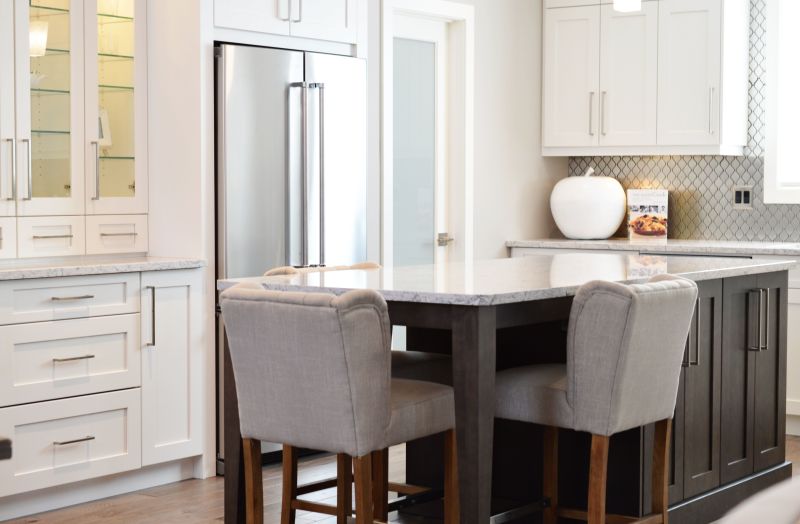
The honest answer to why shaker is everywhere in Liverpool is that it flatters the houses most of us live in. A Victorian terrace in Wavertree or Anfield has original features - high skirting, panelled doors, sash windows - and a flat gloss kitchen fights all of them. A shaker door, with its framed panel, echoes the joinery that's already in the house. The same logic holds in the city's huge stock of 1930s semis in Childwall, West Derby, and Allerton, where the proportions are simple and a fussy kitchen looks wrong.
There's a resale argument too. Estate agents consistently rank the kitchen as the room that most influences buyers, and a good kitchen can add 5 - 10% to a property's perceived value. Shaker's advantage is that it dates slowly - a well-fitted painted shaker kitchen from 15 years ago still reads as current, which is not something you can say about the gloss red kitchens of the same era.
Kitchen Fitters Liverpool fits shaker kitchens across the city every month, in everything from two-up two-down terraces to large detached properties, and the style's flexibility across those property types is exactly why it keeps getting specified.
What a Shaker Kitchen Costs in Liverpool
Shaker spans the whole price spectrum, which surprises people who assume it's a premium style. As working figures for a typical 10 - 12 square metre Liverpool kitchen:
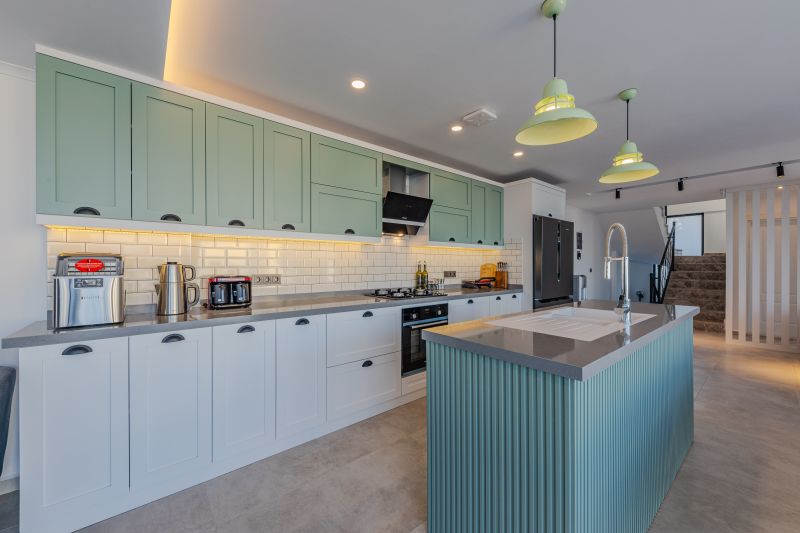
Budget shaker - vinyl-wrapped or foil-faced shaker doors on flat-pack carcasses: £4,000 - £7,000 supply and fit. Mid-range shaker - painted MDF doors on rigid carcasses, laminate or hardwood worktops: £8,000 - £14,000. Premium shaker - in-frame doors, hand-painted timber, stone worktops: £16,000 - £30,000 and up.
The big price jump is the move to in-frame construction, where the door sits inside a face frame rather than covering the carcass edge. It's the traditional way shaker was built and it looks noticeably crisper, but it adds 30 - 50% to unit costs and demands more fitting skill. For most Liverpool terraced kitchens, a good painted lay-on shaker delivers 90% of the look for two-thirds of the money - that's where we'd put the budget in most cases. For a full breakdown of how kitchen budgets divide between units, worktops, and labour, our guide to realistic kitchen renovation budgets covers the numbers in detail.
Door Materials: Where Shaker Goes Right and Wrong
The door material matters more in shaker than in any other style, because the frame-and-panel construction has joints that can open up.
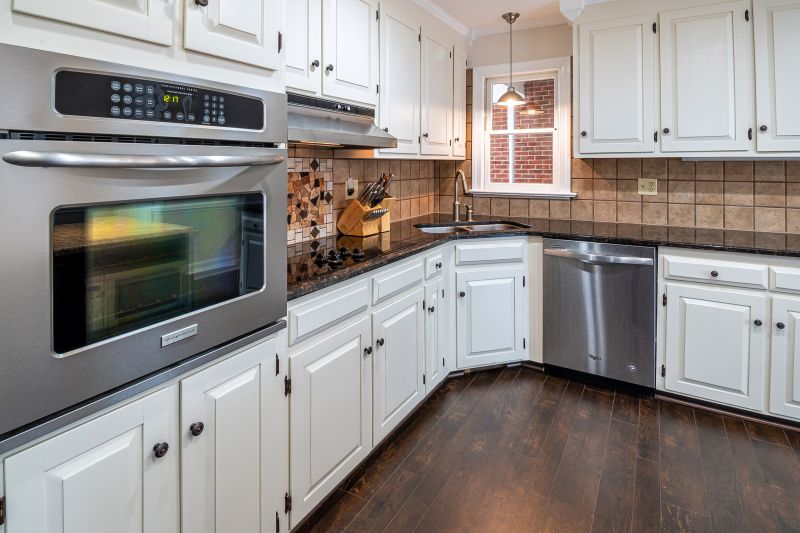
Painted MDF is the workhorse of the Liverpool shaker market - stable, smooth, and it doesn't move with humidity the way solid timber does. Solid timber doors look beautiful but can shrink and swell seasonally, opening hairline cracks in the paint at the joints; in a busy kitchen with a kettle and hob running daily, MDF is genuinely the better-behaved material. Vinyl-wrapped shaker is the budget route, and its weak point is heat - wrapped doors adjacent to ovens and hobs can peel at the edges over 5 - 10 years, so check the manufacturer's heat deflector requirements.
The Damp Question in Liverpool Kitchens
Liverpool's climate is damp - around 840mm of rain a year spread across roughly 140 rain days, with high humidity for much of the year - and many of the city's older terraces already run damp. Kitchens generate up to 3 litres of moisture a day, and in a solid-walled Victorian terrace with no cavity, that moisture condenses on cold external walls. For shaker doors this matters because painted finishes and open joints show moisture damage sooner than sealed slab doors. The fix is ventilation, not door choice: building regulations require new kitchen installations to have extraction of at least 60 litres per second, ducted outside. Get that right and a painted shaker kitchen in a Liverpool terrace will last decades; skip it and no door material will save you.
Colours and Hardware: The Choices That Date a Kitchen
Colour is where shaker kitchens succeed or fail. The current Liverpool market runs heavily to sage green, navy, and off-whites - retailers report green overtook grey as the best-selling kitchen colour nationally around 2022 - and two-tone schemes with a darker island or base run are common in the city's open-plan conversions.
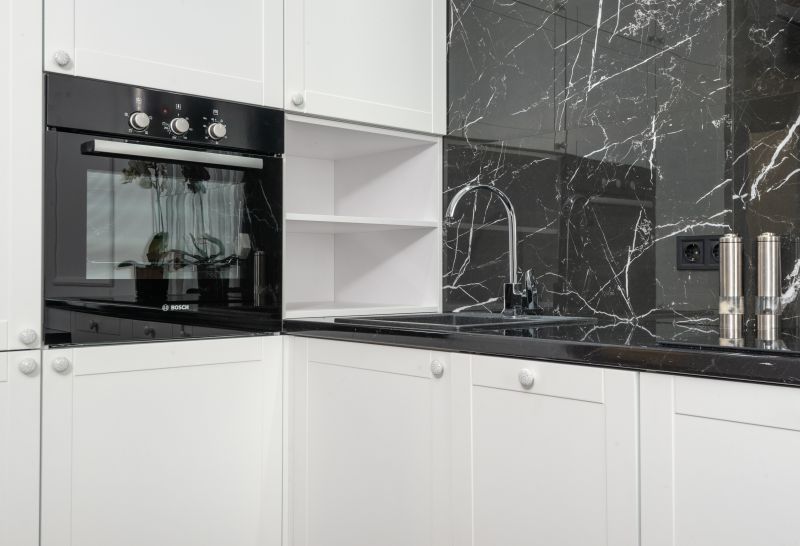
A practical opinion: paint the kitchen a colour you can live with for ten years, not the colour trending this year. The advantage of painted shaker over wrapped or laminate doors is that it can be repainted - a professional respray of an existing shaker kitchen costs £1,000 - £2,500, a fraction of replacement - so a mid-range painted kitchen is effectively a 20-year kitchen with one mid-life colour change.
Hardware swaps are even cheaper. Cup handles and knobs in brass or pewter suit period Liverpool properties; a full set of new handles costs £60 - £200 and changes the character of the kitchen in an afternoon.
Shaker in Small Liverpool Kitchens
Plenty of Liverpool kitchens are small - the original kitchen in an unextended terrace is often under 8 square metres - and shaker works in small rooms with a couple of adjustments. Lighter colours matter more when the window is small and north-facing, as many rear terrace kitchens are. Slim-frame shaker doors, where the rails and stiles are 60 - 70mm rather than the traditional 90 - 100mm, keep the style without visually cluttering a compact room.
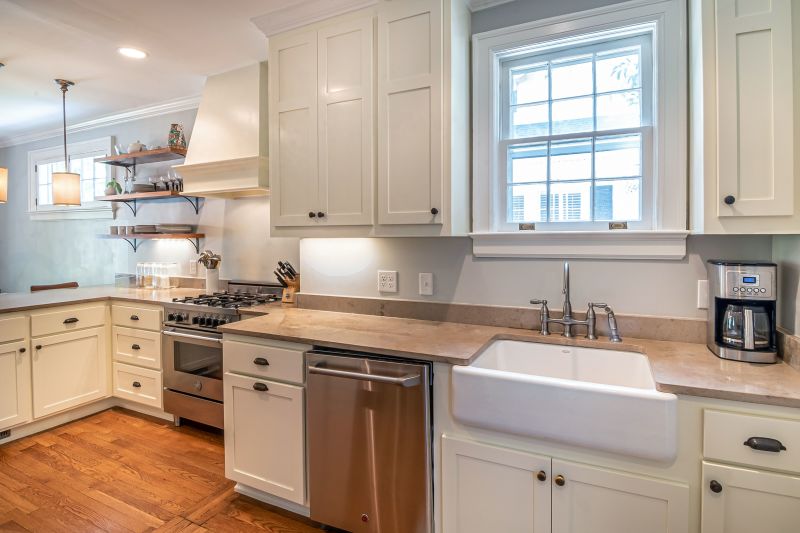
Storage planning matters more than style in these rooms: full-height larder units, corner pull-outs, and drawers instead of base cupboards can add 20 - 30% usable storage in the same footprint. Guidance from the Kitchen Bathroom Bedroom Specialists Association is a useful independent reference on kitchen design standards and finding retail specialists who design rather than just sell.
Choosing a Fitter for a Shaker Kitchen
Shaker is less forgiving to fit than handleless slab kitchens. The framed doors make alignment errors obvious - a door hung 2mm out of line shows immediately against its neighbour's frame - and in-frame kitchens are properly skilled work. So the fitter matters as much as the kitchen.
The vetting basics apply: three itemised quotes, references from recent local jobs, and public liability insurance confirmed in writing. TrustMark's government-endorsed register of vetted tradespeople is a sensible starting point for checking installers, and Which? guidance on buying a fitted kitchen is worth reading before showroom visits - their research repeatedly flags the gap between showroom quote and final bill as the biggest source of kitchen complaints. In Liverpool specifically, good fitters book 6 - 8 weeks ahead for most of the year, so line the fitter up when you order the kitchen, not after it arrives in 40 boxes in your hallway.
Is Shaker the Right Choice for Your Liverpool Home?
The case for: it suits 60%+ of Liverpool's pre-war housing stock, it spans budgets from £4,000 to £30,000+, it's repaintable, and it holds value at resale better than trend-led styles. The case against is thinner but real: in a genuinely modern property - a city-centre apartment or a new-build in the docklands developments - a handleless or slab kitchen often suits the architecture better, and shaker's frame profile collects a little more grease around the hob than a flat door, so it asks for slightly more regular cleaning.
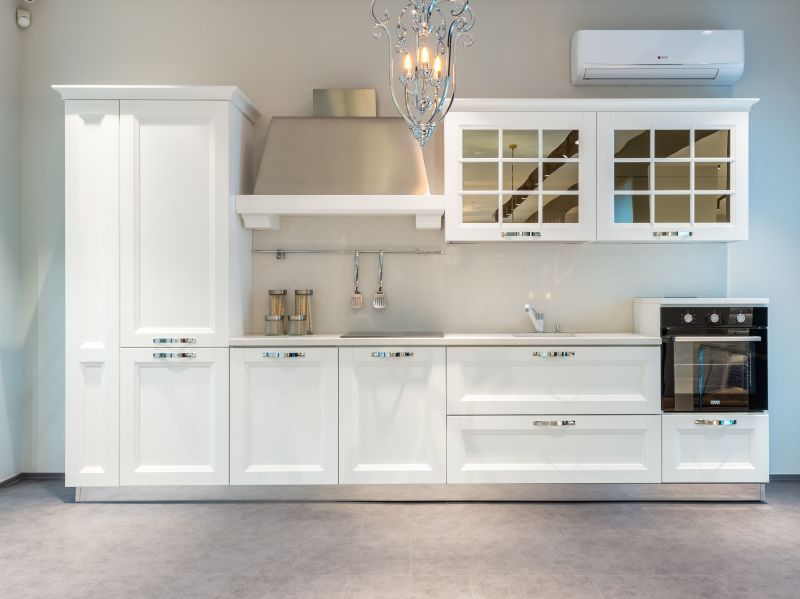
If the house has a bay window, a chimney breast, or picture rails, shaker is the low-risk, high-return choice. That covers a lot of Liverpool.
---
FAQ
Q: How much does a shaker kitchen cost in Liverpool?
A: For a typical 10 - 12 square metre Liverpool kitchen, budget shaker runs £4,000 - £7,000 supply and fit, mid-range painted shaker runs £8,000 - £14,000, and premium in-frame shaker runs £16,000 - £30,000 or more. In-frame construction adds 30 - 50% to unit costs over standard lay-on doors.
Q: Why are shaker kitchens so popular in Liverpool?
A: Around 60% of Liverpool's homes were built before 1945, and shaker's frame-and-panel doors suit the joinery and proportions of Victorian terraces and 1930s semis far better than gloss or handleless styles. Shaker also dates slowly and holds resale value - a good kitchen can add 5 - 10% to a property's perceived value.
Q: What's the best door material for a shaker kitchen?
A: Painted MDF for most Liverpool homes - it's stable, repaintable, and doesn't move with humidity the way solid timber can. Vinyl-wrapped shaker is cheaper but can peel near heat sources over 5 - 10 years. In damp older properties, good extraction (at least 60 litres per second, ducted outside) matters more than the door material itself.
Q: Can a shaker kitchen be repainted instead of replaced?
A: Yes - that's one of the style's biggest advantages. A professional respray of an existing painted shaker kitchen costs £1,000 - £2,500, compared with £8,000+ for replacement, so a mid-range painted shaker kitchen can realistically last 20 years with one mid-life colour change.
---
You might also like
Kitchen Fitters Liverpool